Most of my work focuses on helping Mali Rising’s teachers, but I always enjoy it when I get a chance to be part of the Girls’ Project. My role is to host discussions about girls’ education with boys in our Girls’ Project villages. My goal is to inspire the boys to be allies to their sisters and female classmates and speak out to support their education. At a recent meeting, I found a young man — Sirbiry Doumbia — who was already an avid supporter of girls’ education. Here’s what he told me….
One Teacher Amazes His Peers
Lamine Mariko is an incredible science teacher at Christiana Norris Middle School. But don’t take my word for it – his teacher peers made that clear when they gave him a big round of applause at our most recent Teacher Peer Meeting!Lamine Mariko is an incredible science teacher at Christiana Norris Middle School. But don’t take my word for it – his teacher peers made that clear when they gave him a big round of applause at our most recent Teacher Peer Meeting!
Mothers Standing Up for Girls
By Hindaty Traore, Girls’ Project Manager
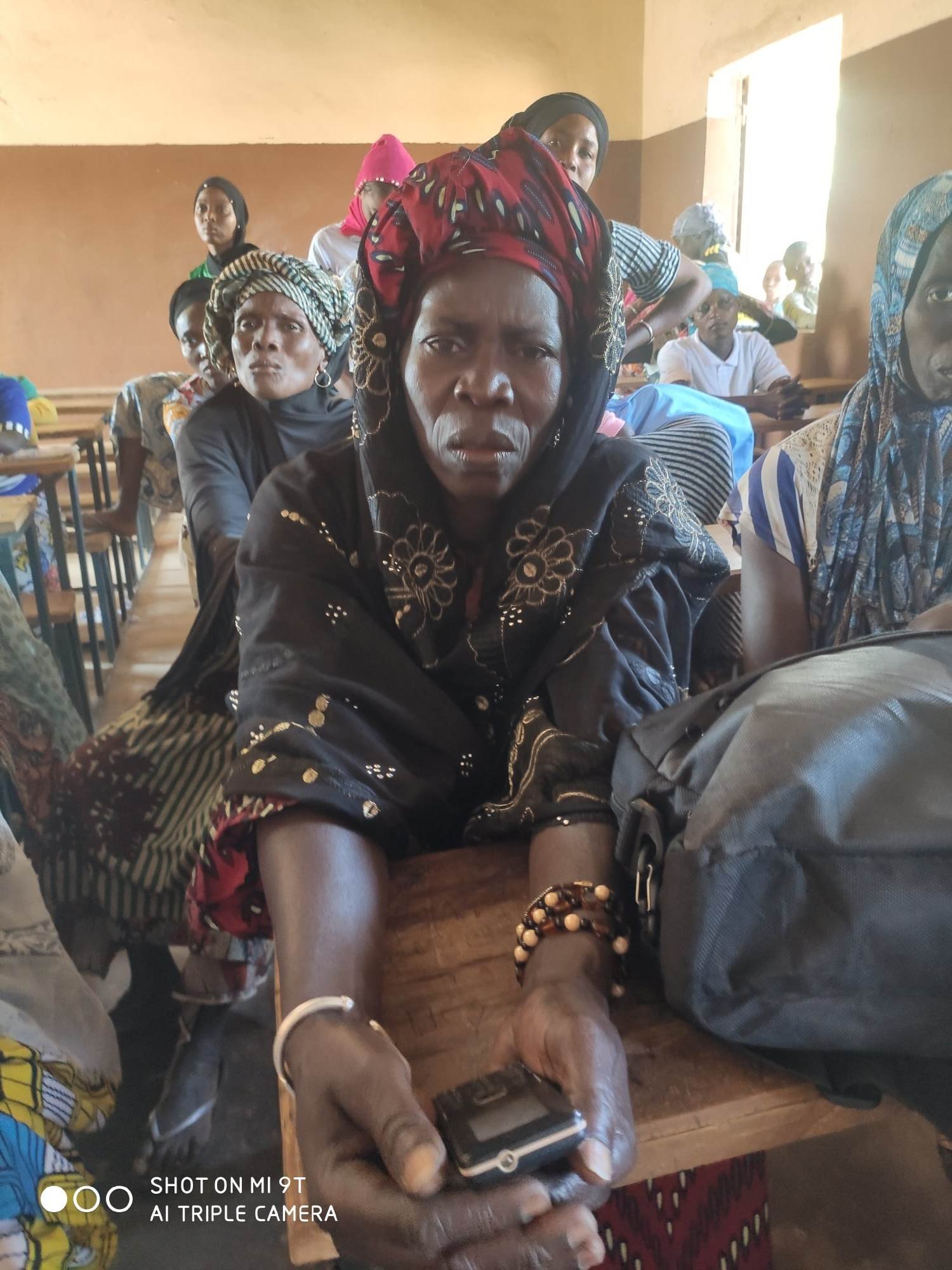
It's a Friday morning under a blazing sun in the village of Sankama – home to Judge Memorial Middle School. A group of more than forty people sitting in the school’s Grade 8 classroom with me sat right in front. In front of the crowd, I lead a meeting with the mothers of students in Sankama, a member of the school management committee, and the school principal.
All families are committed to the academic success of their children. However, this success depends on the dialogue between school staff and parents as well as their involvement in supporting their children's education.
To be able to monitor their children's schooling, parents must be well informed of the results, but also of their child's academic behavior. All of these rights were reminded to the mothers during the meeting.
The involvement of parents is very important in the education of girls, especially that of mothers. In Mali Rising Foundation partner villages, we have noticed that parents are less interested in monitoring their children. Everyone sends their child to school but do not know that they have a role to play for the success of their child.
To help change this dynamic, we decided to organize meetings with the women each village to discuss the importance of their involvement in the education of their daughters and how they can do it. We also explained the importance of girls' success for families and the country as a whole. Through the various interventions, we found that mothers do not go to school to know the progress of their daughters, do not follow them at home, and give the girls a lot of domestic work which limits their ability to study.
In our partner villages, women's modest incomes do not allow them to hire someone to help them with housework, so girls help their mothers every day. This means that girls devote less time to schoolwork than school. They have less time to learn and do their homework and this negatively affects their school performance, sometimes causing dismissal or dropping out.
Through our various discussions, the women learned how to help her daughters at home after school, how to go to school each month to check on her child's progress, how to lighten the housework to give time to study and learn.
For the best functioning of the involvement of the mothers of students, we have agreed to hold two meetings a year for the women to discuss their issues and problems. In between these meetings, the women leaders in each village will also remind the mothers of students to follow and give time to their daughters at home, to check in with the school on their daughters’ progress, and other basic strategies.
Sali Diawara's two daughters study at Judge Memorial Middle School in Sankama. Sali says she is involved in the education of her daughters. She explains: “I don’t give my daughters chores when they have to go to school. They only help me on weekends. I would also like them to take private lessons but unfortunately I don’t have enough means.”
Sali herself had the chance to go to school. But she could not continue her schooling because of an early marriage, and she wants her daughters to have a different fate from hers. Thanks to her commitment, her daughters obtain good results -- they are always among the best in their classes. This story encouraged other women at the meeting to do like Sali so that their daughters could succeed too.
The teaching staff of the school also want to help reduce the household responsibilities of girls. Ibrahim Diarra is the principal of Judge Memorial Middle School in Samkama. With his colleagues, they want to organize at least one meeting with parents and traditional and religious leaders to encourage them to support girls' education.
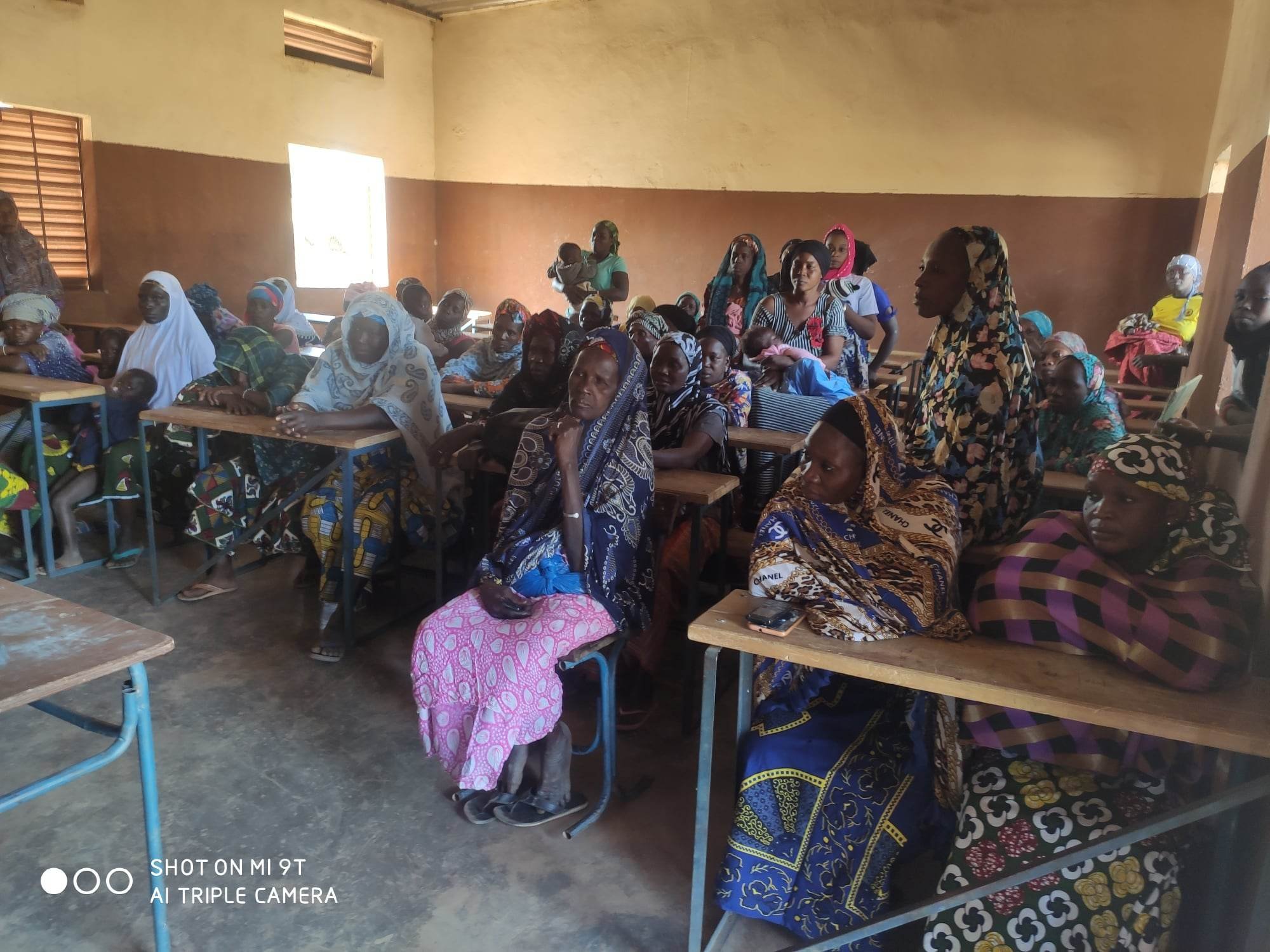
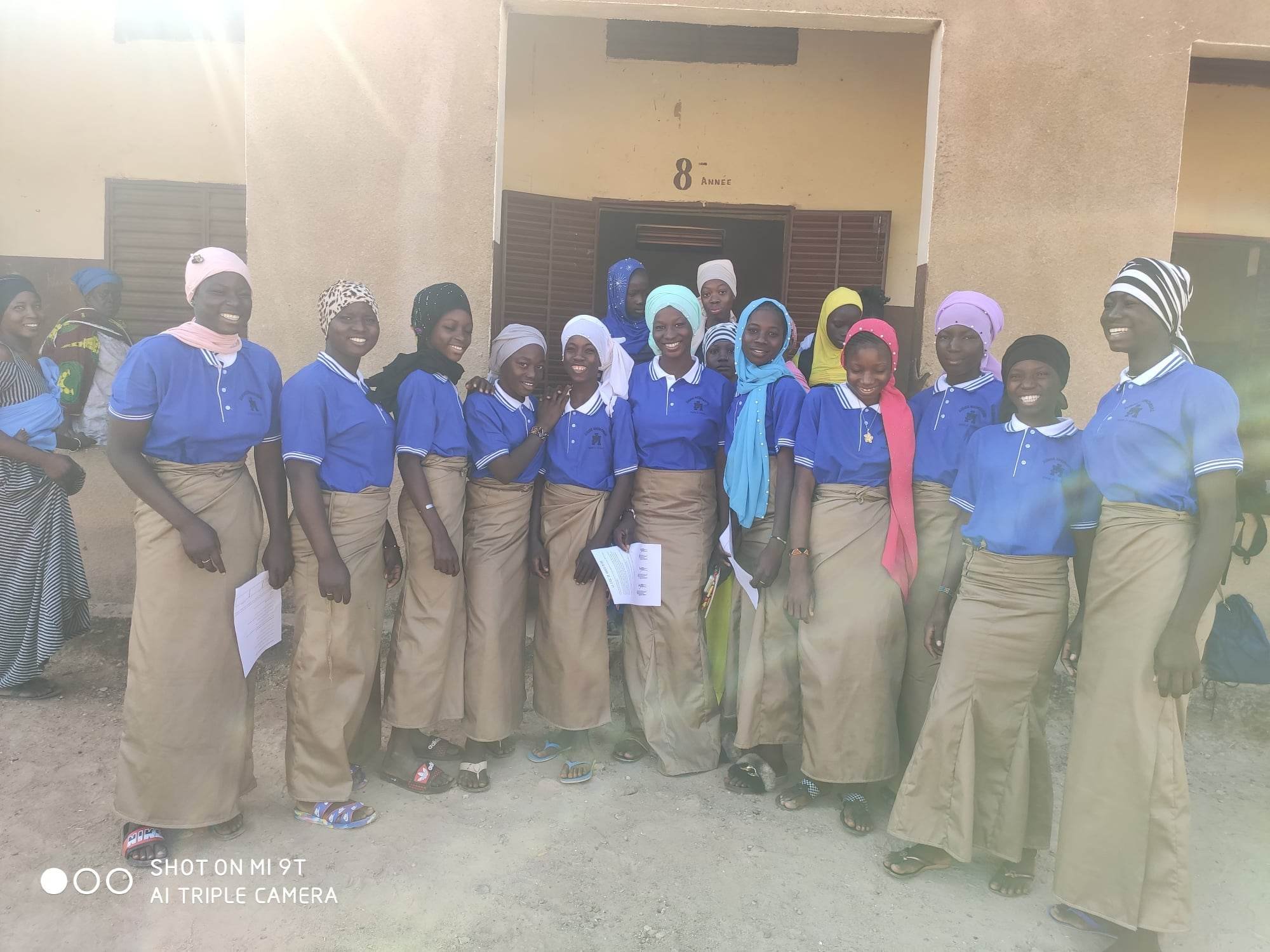
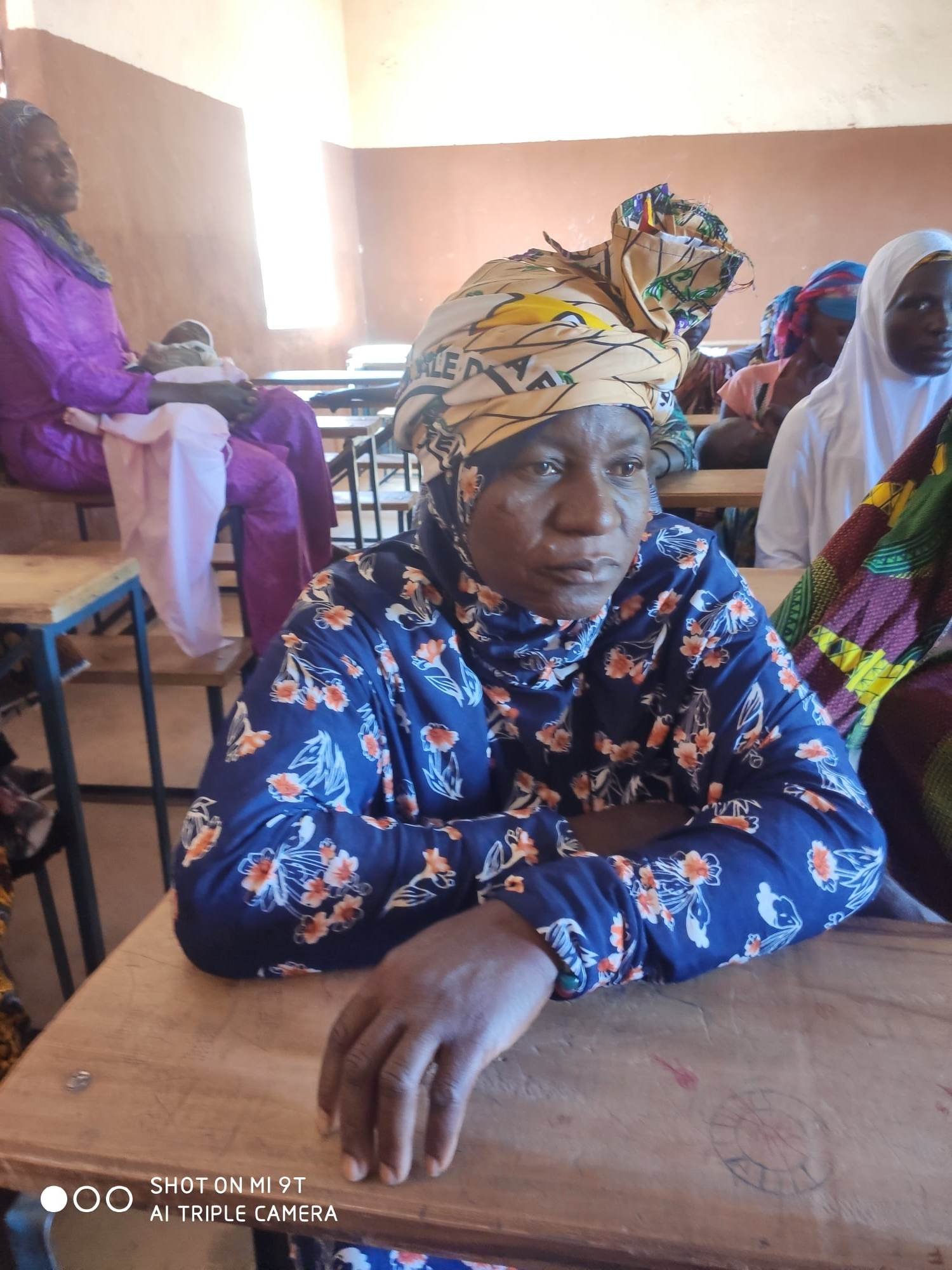
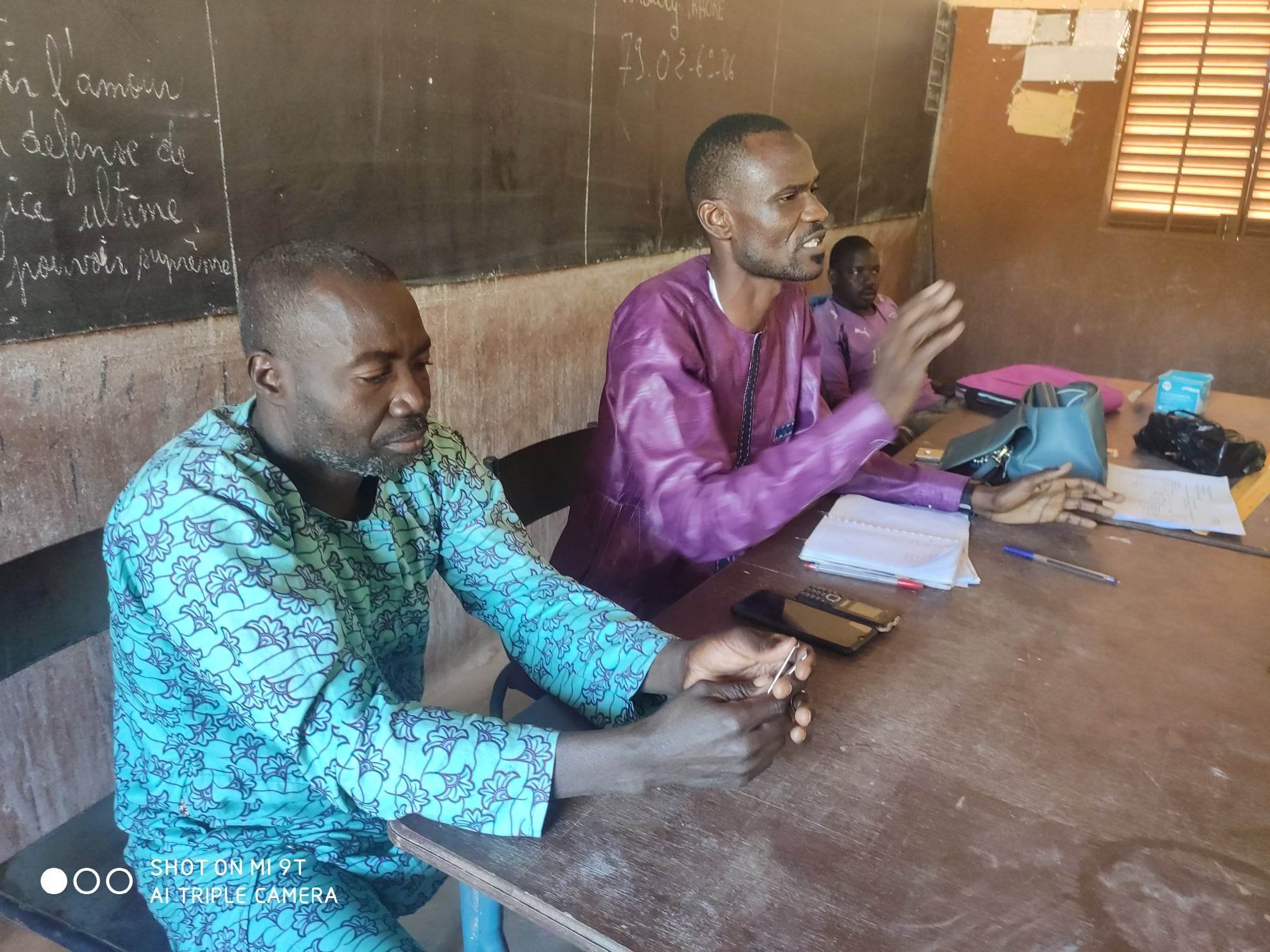
Mr. Diarra explains: “We will raise parents’ awareness of the need to reduce girls’ workload so that they have time to devote themselves to their studies. This is important for their academic success.”
Mah Coulibaly is a housewife in Sankama. She lives with her husband and children. They have two daughters at school. She says: “We don’t have enough resources. My daughters sell my wares. They also help me with other activities. I am aware that this affects their studies. But, I have no one else to help me. I would try to do everything possible to give them time to learn the lessons.”
I drew inspiration from my own story to raise awareness of how girls have more time for their studies when they don't need to spend too much time on household chores. I explained that I help the girls today because I was able to focus on my studies. We concluded our meeting with a short quote “When girls fail, the whole your community has failed, because it is your duty to ensure a better future for them.”
Mali Rising Graduate Heads to University
Just like young people here in the U.S., Mali Rising students have big dreams for their future. I recently met a Mali Rising alumni – Moussa Doumbia -- with a very specific dream and he is well on his way to making it real. He is reaching for the stars, with a vision of becoming a diplomat in Mali’s Ministry of Foreign Affairs.
Measuring Progress: Our 2021/22 Annual Impact Report
Boys as Allies to Girls
One of Mali Rising’s main goals is to make sure girls have the same chance at education as boys. My co-worker Hindaty leads our very successful Girls’ Project, which implements many strategies to get girls into school and help them succeed there. As part of that work though, we realized that we can’t ignore the role boys could play in helping their sisters — that’s where I come in!
Independence, Sustainability, & Safe Schools
Are you a skilled DIYer? What if you had to do the repairs at your kid’s school….would your skills hold up for that DIY job? Maybe not, but if you had a little help maybe you could feel good about contributing back to the school. That’s what our school maintenance trainings do for parents on our partner schools’ School Management Committeees.
Marketing, Public Relations, Story-Telling Skills Needed
Tenetie Lights Up a New Career
Alumni Network Makes A School Shine
By Ousmane Coulibaly, Operations Coordinator
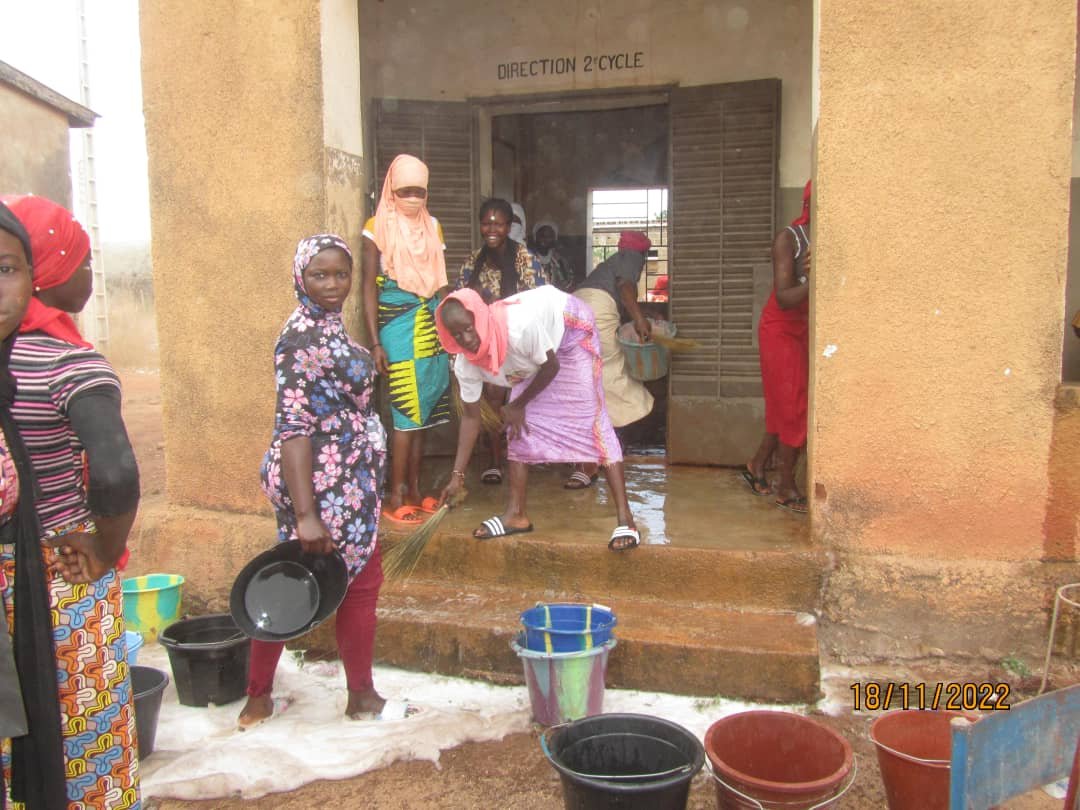
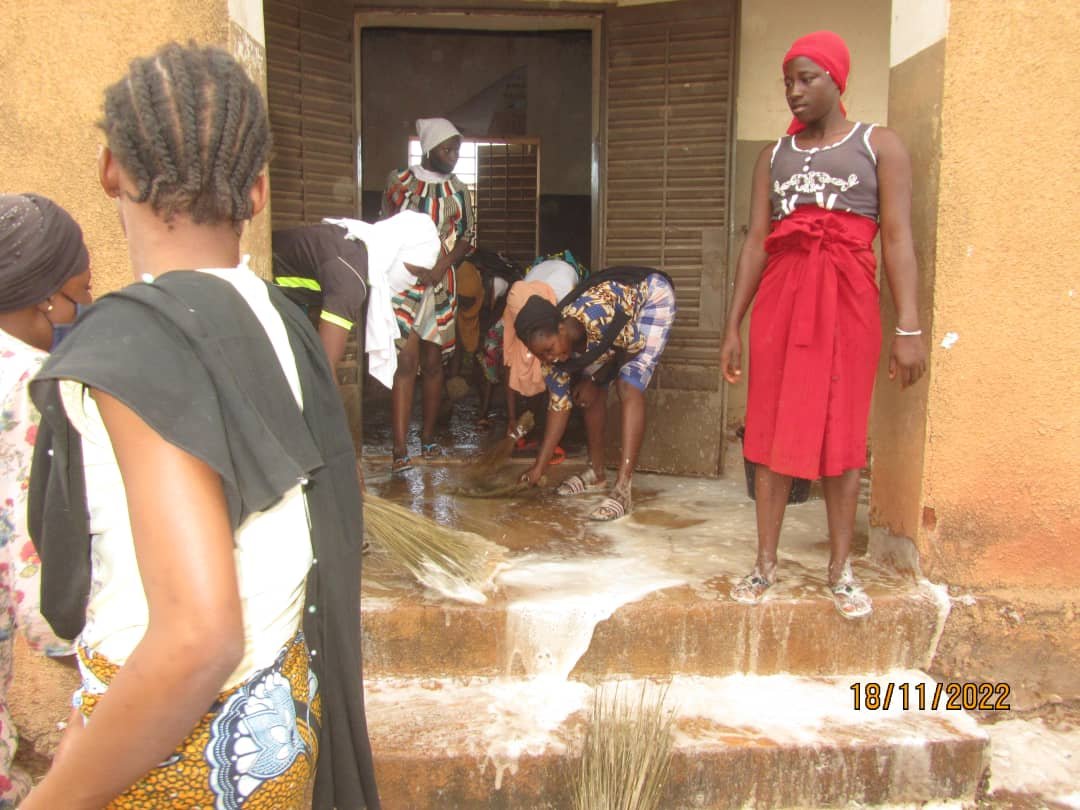
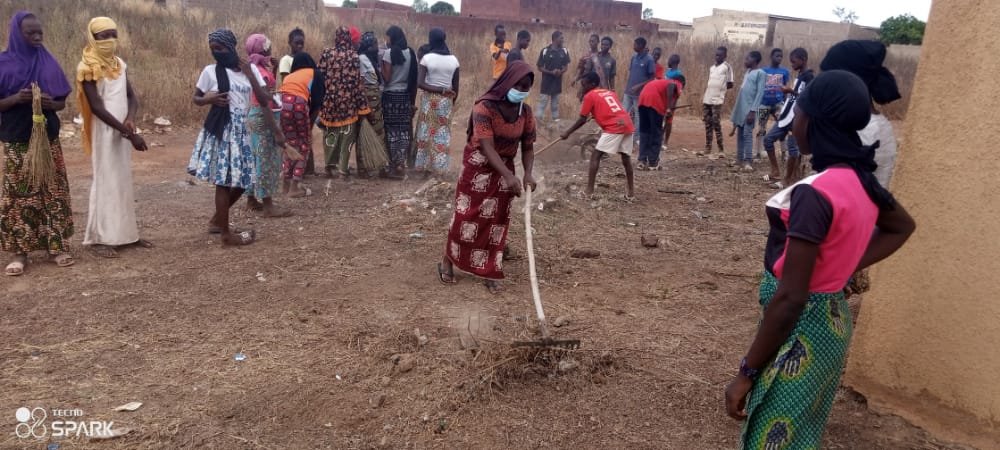
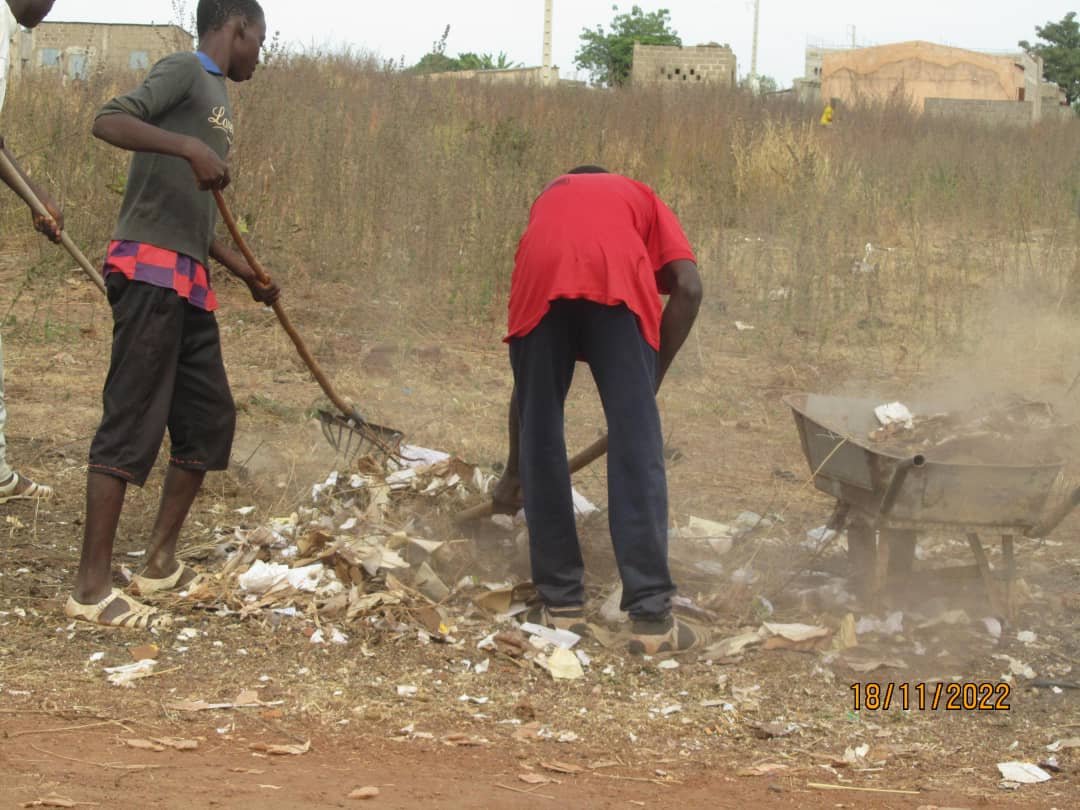
On a Friday this November, the Alumni Network of Seguessona’s Jade & Gabe Mellor Middle School organized a maintenance day at their school. This network is made up of young men and women who graduated from the school. While some of them are already working in companies and organizations, others are still in high school and in vocational schools and universities.
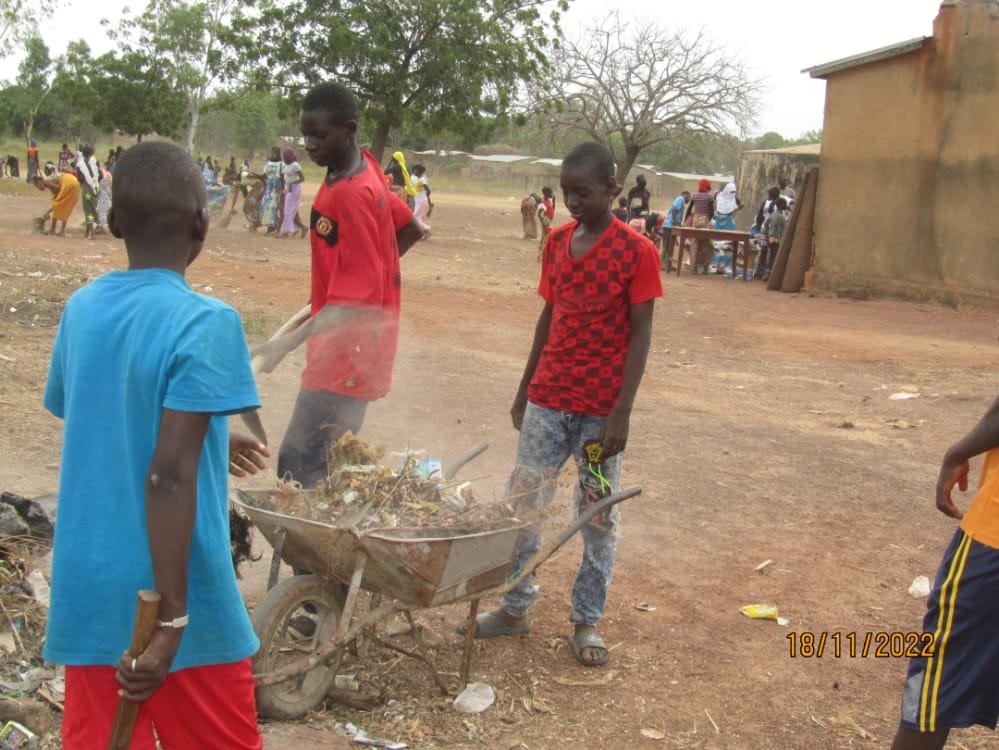
With the support of Mali Rising Foundation, more than thirty former highly motivated students, h came to school with brooms, wheelbarrows rakes, soap and other small materials. In addition, some former student volunteers rented a wheelbarrow, bought buckets, and also rented a three-wheeled motorcycle as support equipment during the cleanup day. Some volunteer students from 7th, 8th and 9th grades also came to join the elders to help them clean up the school.

Proud and happy Alumni Network volunteers take a break from making their school shine!
They were well organized in different groups. While the girls and women swept with brooms, the men carried the trash away with wheelbarrows. Together they managed to sweep the whole schoolyard, the inside of the classrooms and they also cleaned all the latrines.
They then chased away all the birds that were in the principal's office. The principal's office was in bad shape because of the birds' nests and poop. The Principal of the school, Mr. Bakary Koné, was also present and was very satisfied with the work done by the alumni.
Principal Koné said, "I am very happy and satisfied with this work. These young people cleaned the school very well today. They also washed my office, and all the latrines. Otherwise, the latrines in the school were unusable. Nobody liked to use them because of the waste. But now all the latrines are operational. Also, they managed to chase away all the birds and clean their poop.”
This Alumni Network is one of two Networks Mali Rising has launched this year to test the idea. Our hope is that the alumni groups can grow and take concrete actions such as inspiring students to stay in school or maintaining their school in the future for themselves. If these first two Networks are successful, we hope to grow the idea to other schools.