

We are all in this together
COVID-19 was slow to be confirmed in Mali. However, Mali reported their first 2 confirmed cases of COVID-19 on March 25, and cases continue to be confirmed. We are heartbroken and worried for everyone in Mali.
Like you, we are all figuring out the best ways to move through this new reality. Our first concern is for our students, their families, and our dedicated Malian staff. Although we took early steps to make sure we limited the risk of spreading the virus into our partner villages, we are thinking fast on our feet about how we can still best serve our students and villages over what may be a long haul.
As you might imagine, online learning is not an option in rural Malian villages! The government closed schools for several months, so we had to get creative….fast. On this page, we will keep you up-to-date on what we are doing and how you can help. Examples of the work we have underway already include:
Distributing health lessons to our villages via local radio stations.
Sharing educational messages with parents via radio to encourage them to keep their girls out of early marriage during this crisis so they can return to school later.
Using an existing WhatsApp group of our teachers to get health messages into villages.
Distributing new hand-washing stations and educational messages to villages.
If you would like to help our students through this pandemic, please consider donating to our Coronavirus Campaign to support health lessons, hand-washing stations, and more.
Latest news on COVID-19 work

Keeping students healthy is tremendously challenging at schools in Mali because of the lack of running water and a lack of hygiene education. Mali Rising has a small Health Project which focuses on providing basic tools and handwashing education to address one of the simplest health solutions – good hand hygiene!
![DSCN4552[1].JPG](https://images.squarespace-cdn.com/content/v1/57869b409f7456109574cf2d/1623185830247-LRWKX7O61FA1OSZHEK7G/DSCN4552%5B1%5D.JPG)
Way back in the early days of the pandemic, we — like everyone else — were scrambling to find ways to keep our kids connected to school as things shut down. School closures in Mali were total…there is no online learning in our remote, rural villages! One tool we decided to test was incredibly simple, but turned out to also be incredibly engaging. That tool is a set of simple, photocopied workbooks we distributed in our villages.

Mali Rising’s goal is to see our students succeed, which means helping them stay connected with learning even during a pandemic. To that end, our ongoing take-home workbook project continues to make difference for our kids and makes many parents proud of their children. An example of these outcomes can be found at The Mindful Bunch Middle School of Kafara. Students at this partner school have been working hard to make their parents proud of them. Although school was closed for months due to the pandemic, students at The Mindful Bunch Middle School have been working hard on our take-home workbooks, staying connected with learning and language.

During this uncertain pandemic time, Mali Rising is working in five of our partner villages to test take home workbook as a tool for keeping students learning when schools are closed due to the pandemic. One of the villages where we have done this work is Sebela. We recently visited with the high scoring workbook student of Sebela, Konimba, and her father.
Just like everyone else around the world, Mali Rising staff and students have had to make a lot of “pivots” over the last year. Although that term may be over-used these days, it remains a central part of our new reality. Flexibility has become our new core skill, as closed schools and other problems challenge attempts to keep children learning. As part of our pivoting, we have developed and distributed take-home workbooks that allow our students to stay connected with learning and language during their extended break.

During a Mali Rising Teacher Peer Meeting in December, I had the chance to talk with one of the attending teachers — Mr. Sagara Abdoulaye — about his teaching, the meeting, and COVID-19. Here are some of his thoughts.

Mr. Touré is a Math teacher at Judge Memorial Middle School of Sankama. He is 34 years old and, according to him, married to a beautiful wife. Mr. Touré does not live with his wife in Sankama where he teaches because it is a small and remote village. He misses his wife incredibly while teaching in village. He gets to see his wife about every two months when he visits her in Bamako, the capital city of Mali, which is about 100 km from the village where he teaches. Mr. Touré has been very concerned about student health in his school since the outbreak of COVID-19. Because of his concern, he volunteered to coach the Mali Rising Health Club at Judge Memorial Middle

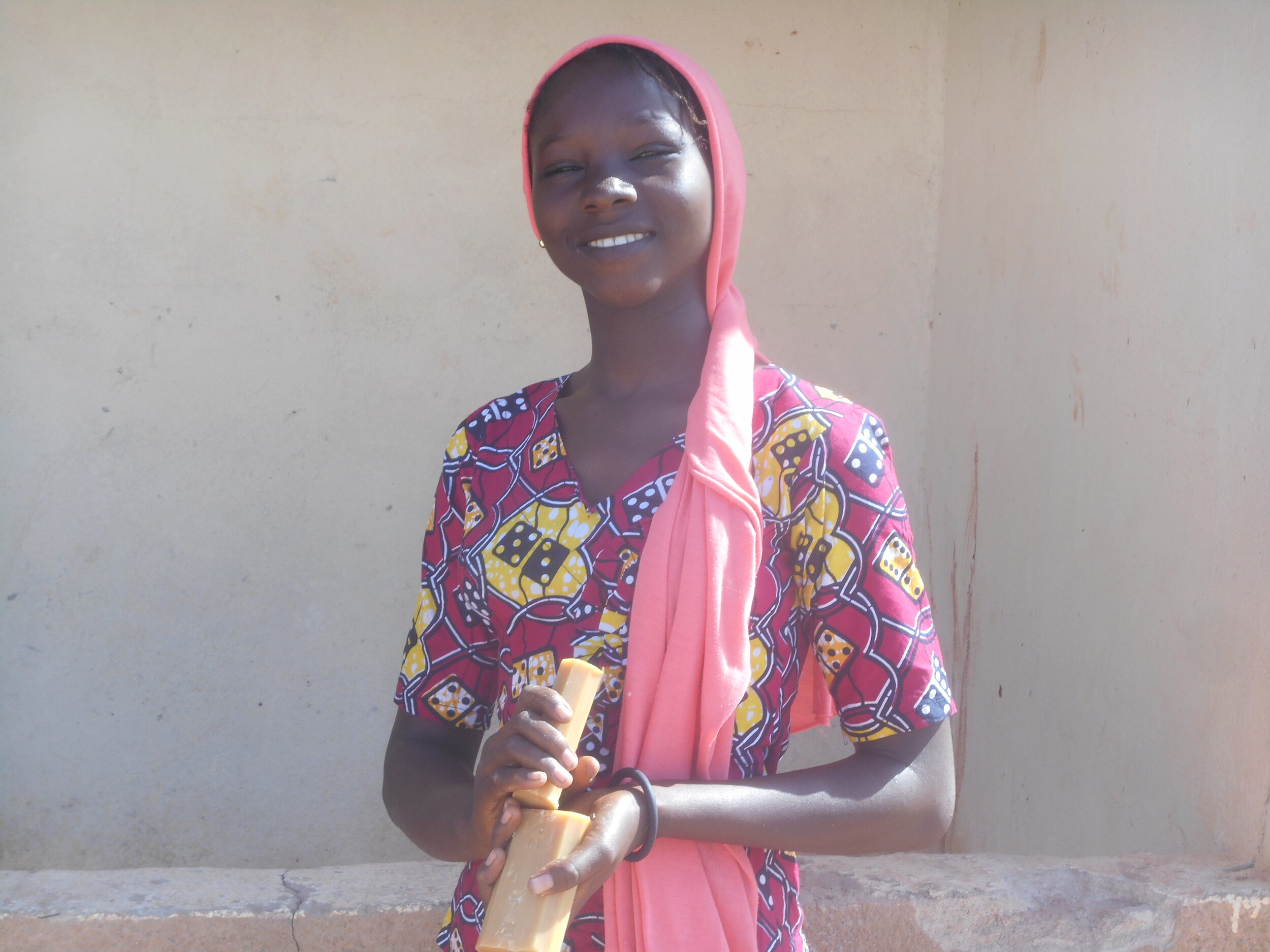
Sata Culbaly is an 8th-grade student at Judge Memorial Middle School of Sankama. She is a smiling and a very driven girl. Sata is 14 years old and likes school very much because she gets to see her friends in school every day. Sata enjoys being in the school’s Mali Rising Health Club and teaching her classmates the best ways to wash their hands with soap. Sata says that the Health Club in Sankama is a great thing because it inspires students to adopt great habits when it comes to washing hands and greeting without handshakes…

Ross and Marilou Moser Middle School has been changed by the Covid-19 pandemic just like all schools in Mali. Parents and students have been very worried about their village’s future in terms of education and health. School have been closed for months and students were concerned and depressed. When the government decided to reopen schools, the whole village was thrilled to see their kids back in school even though the pandemic was not still over. We are working to help students feel and be safe by setting up a health club so students are more aware of the virus and how to protect themselves and their families.

Usually when I went to a village for school building projects, I did not pay attention to having direct contact with the population -- I drank their water, I squeezed their hands without fear. Since COVID-19 things have changed, it is me now who is feared…
