

In recent decades in Mali, the increasing rate of global warming has caused continuous climatic change characterized by drastic reduction in rainfall. Before, farming was the dominant way to make a living but this unexpected situation (poor rainfall) has hugely impacted on rural farmers’ incomes. Uncertainties, famine and extreme poverty have reached many families in southern Mali. Some people have lost hope. In order to deal with drought issue and meet their household’s needs, many local farmers migrate to the artisanal gold mines. Artisanal mining has become an alternative way of survival strategies for local farmers. Some parents encourage their children to give up schools and join them in mine and work in order to contribute to household finances
Handwashing Trainings Keep Students Healthy
Keeping students healthy is tremendously challenging at schools in Mali because of the lack of running water and a lack of hygiene education. Mali Rising has a small Health Project which focuses on providing basic tools and handwashing education to address one of the simplest health solutions – good hand hygiene!
Educating Boys About Educating Girls
By Merritt Frey, Executive Director
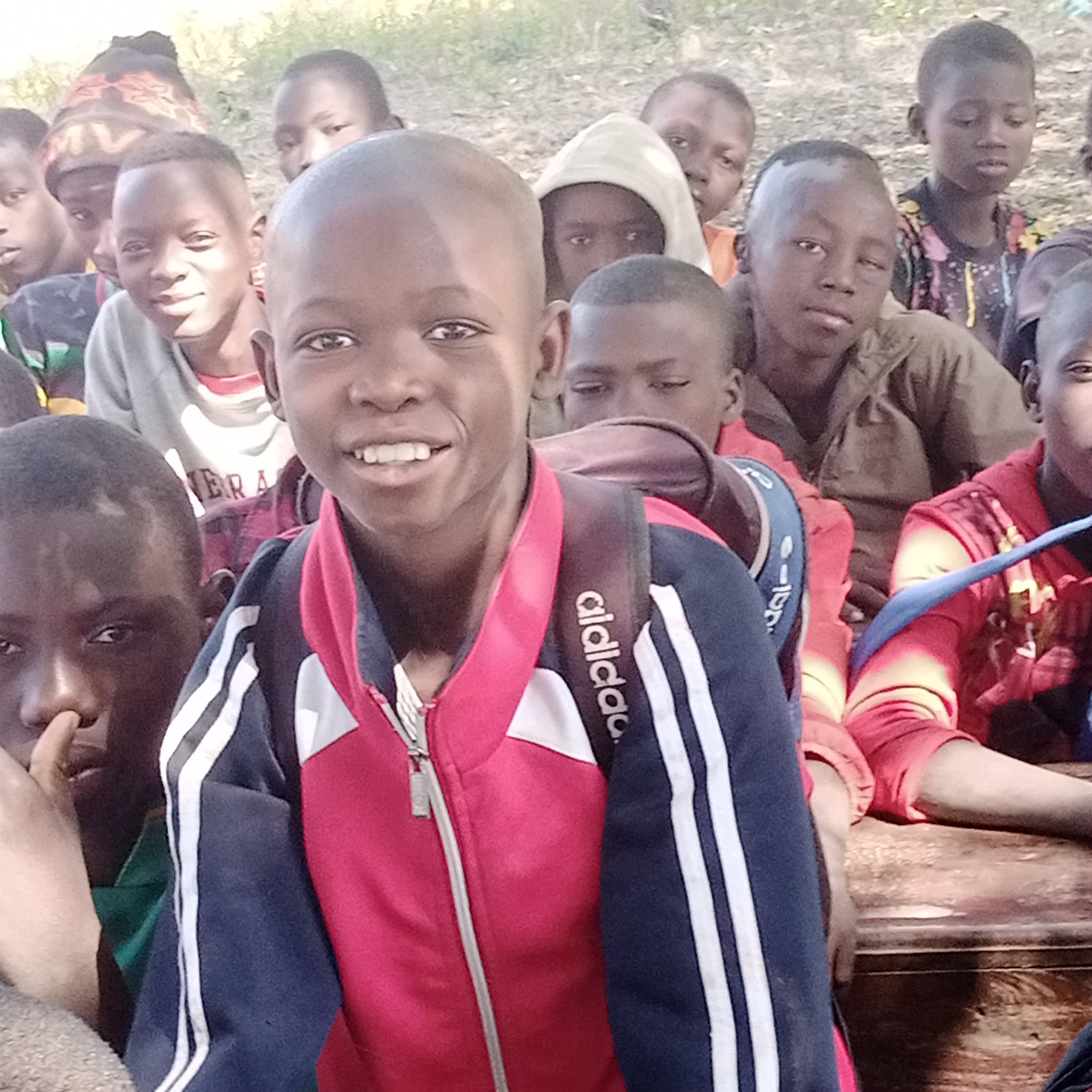
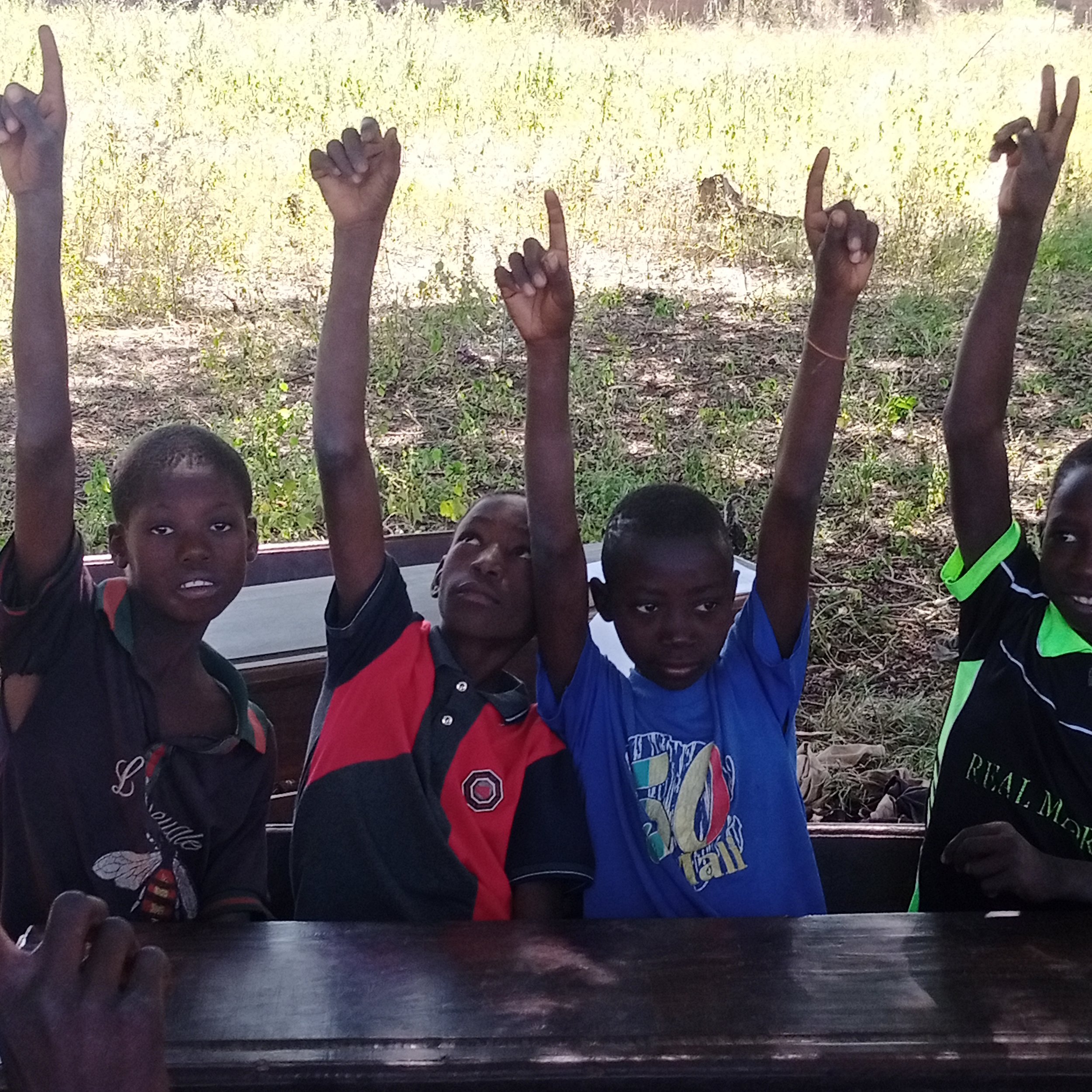
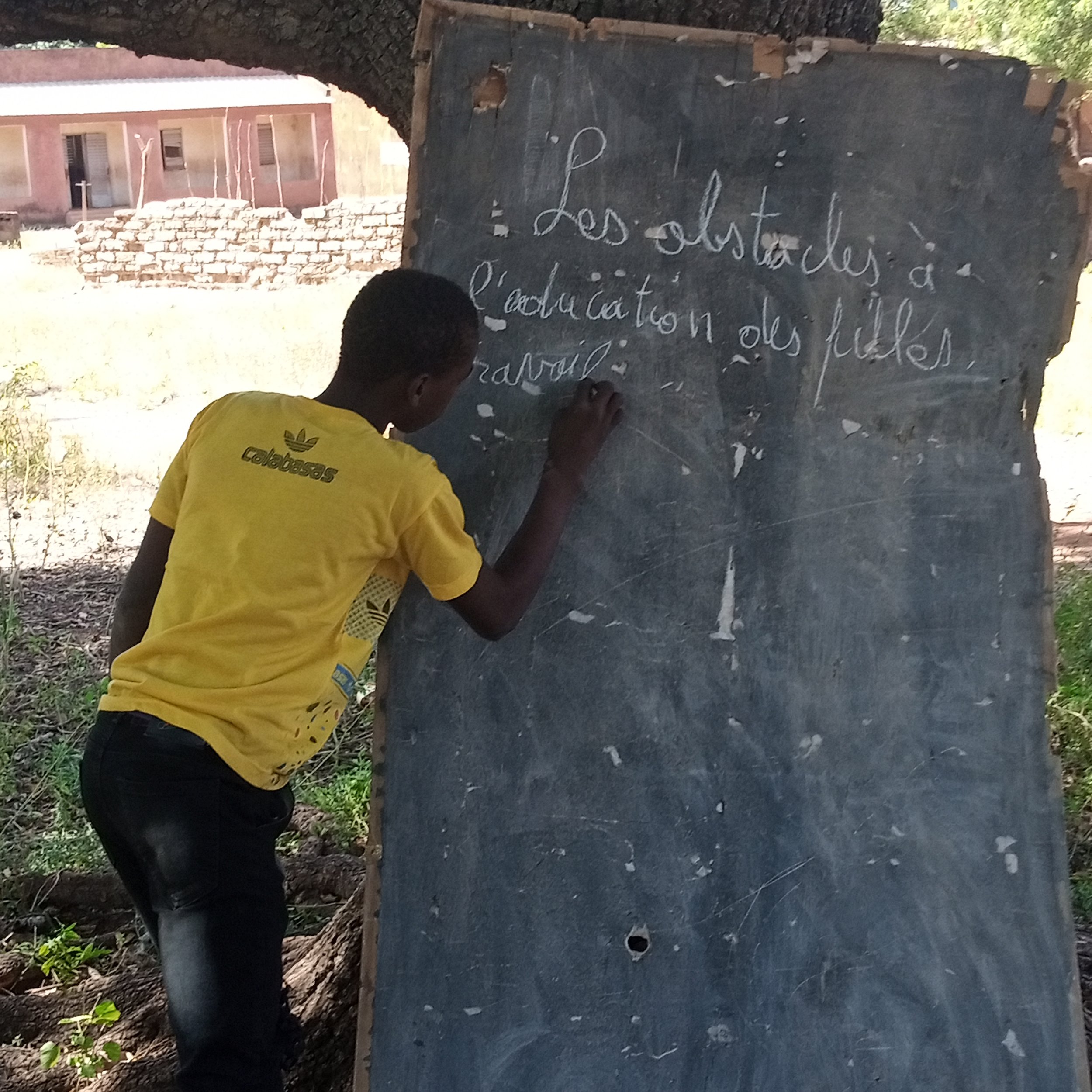
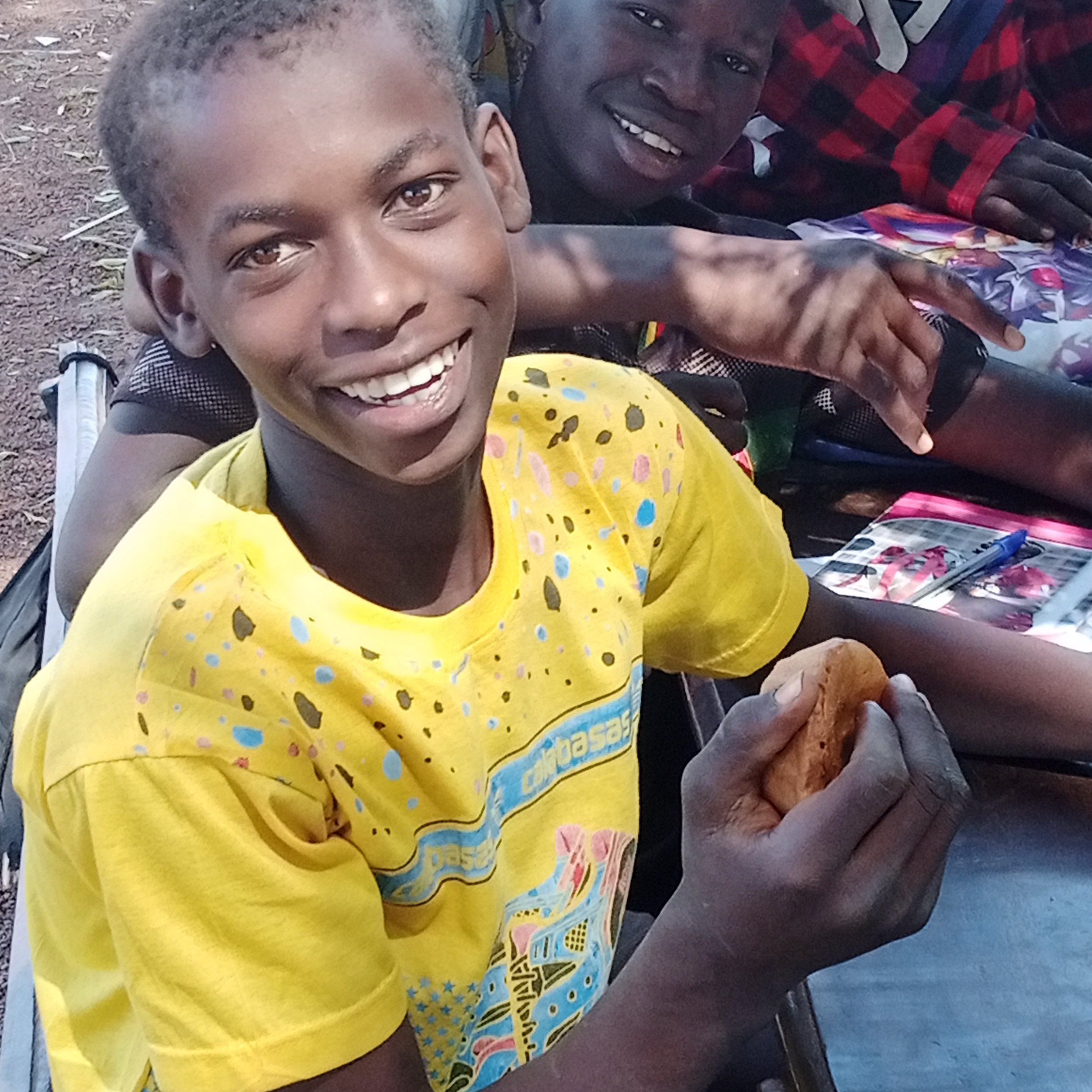
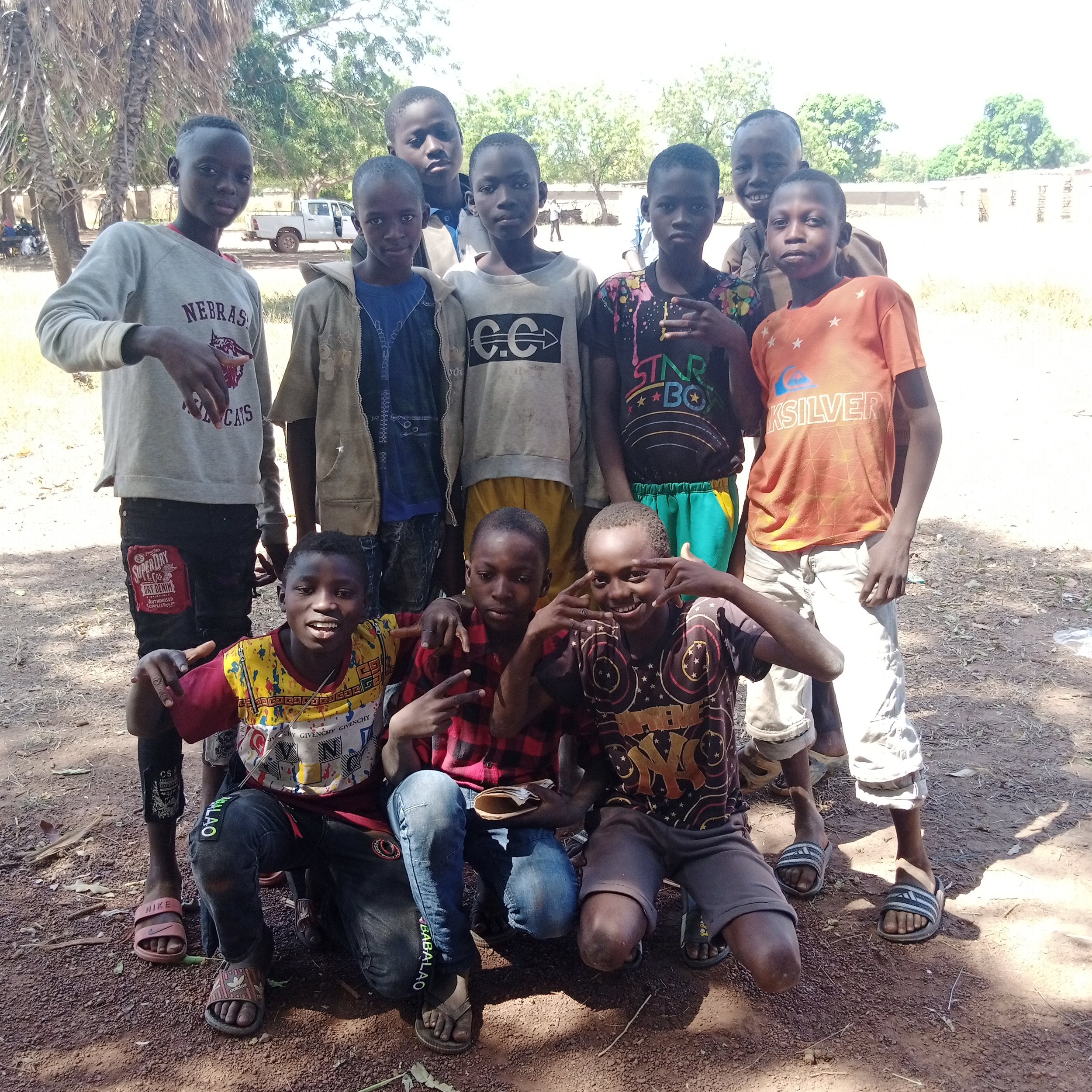
Because female students in Mali face special barriers, we have a robust Girls’ Project to help support their special needs. But research shows improving girls’ access to education takes action from the whole community…not just the girls. So, part of our Girls’ Project work focuses on engaging boys from our partner schools in discussion about gender issues and how they can actively support their fellow students who happen to be girls.
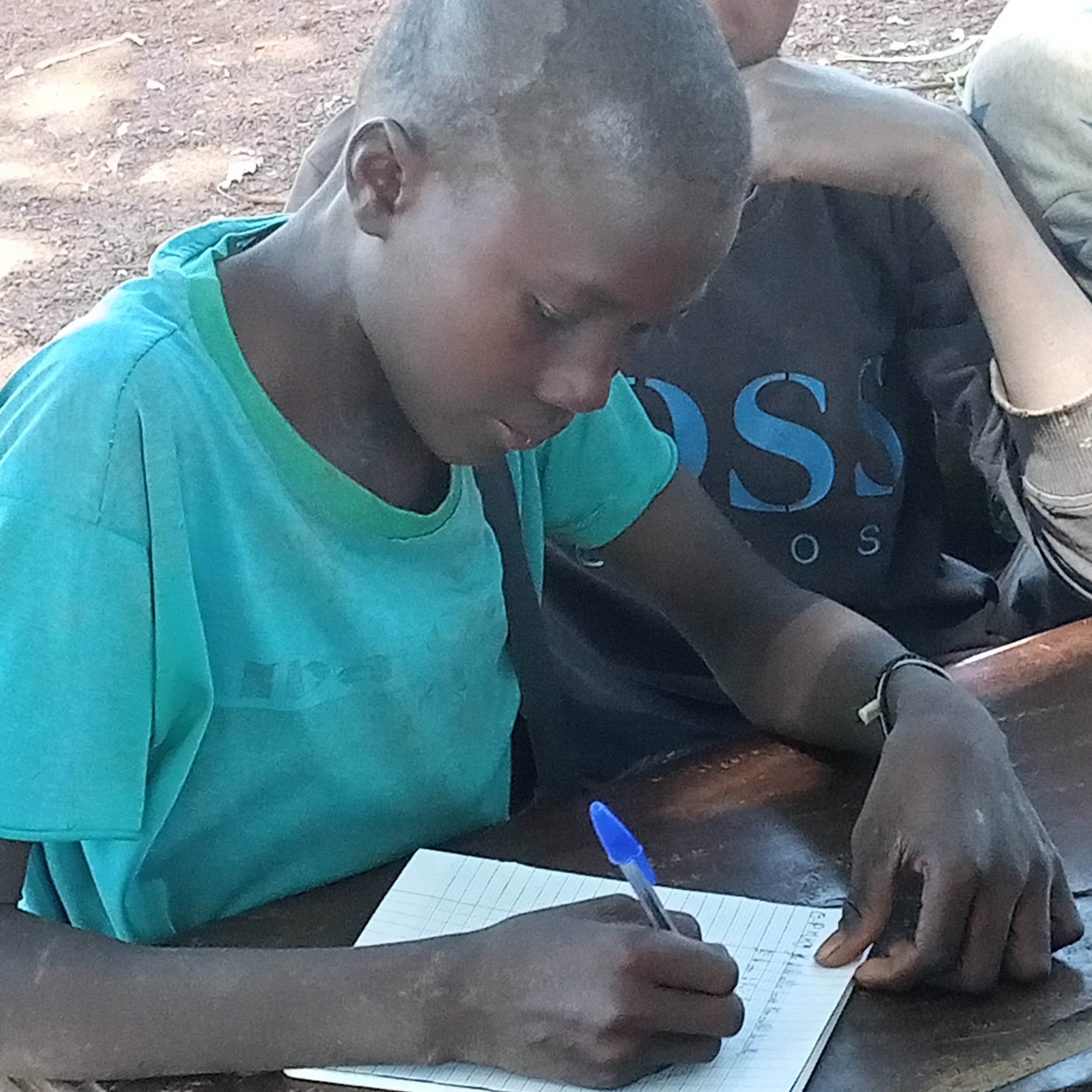
This work focuses largely on peer meetings where boys gather for facilitated discussions about human rights, girls’ education, and their role in knocking down obstacles for girls. The meetings are lively, with boys actively debating big ideas and sharing their ideas for building a more equal world.
In November, we hosted these discussions in three of our partner villages — Diorila, Sebela, and Zambougou. In each case, 40 to 60 boys came out to learn and share their own thoughts. Adama Kone, the Mali Rising staff person who leads these discussions, noted how much fun was had…and it wasn’t only because cake was provided!
“These young men can be allies for girls in their classroom today, and in the future they can speak up for women in their families and in Mali as a whole. In Mali, change starts with discussion and debate among the community, and these boys really engaged,” said Adama.
A Little Reward Goes a Long Way
Encouraging and recognizing good work done is an effective way to develop a taste for learning. Indeed, reward is an extrinsic motivator that prompts the student to improve certain behaviors, providing conditions that facilitate their motivation and learning.
It is in this context that the Girls’ Project gave gifts to 15 most outstanding girl students from last school year in the five villages of Girls’ Project -- Zambougou, Sebela, Dorila, Tamala and N'Tentou. This was done both to reward the girls for their hard work and to create competition among all the girls to study hard.
A New Teacher Finds Inspiration With His Peers
In the remote areas where Mali Rising’s schools are located, teachers often get together to chat and gather to drink tea. Teaching requires a deeply dedicated person, so it makes sense that teachers always try to improve themselves through reading textbooks, travelling, and discussing techniques with their peers. Building on this cultural idea, Mali Rising regularly hosts Teacher Peer Meetings where we gather 5 to 6 teachers from different Mali Rising schools. The goals are to help our teachers improve their teaching skills and to connect them with peers who can help support them throughout the tough school year.
Gratitude Is the Best Feeling
By Merritt Frey, Executive Director

Here in the United States, those who celebrate Thanksgiving are hopefully taking time out from turkey and football to contemplate gratitude. Here at Mali Rising, we are reminded nearly every day of how much we have to be grateful for and how that spirit can move around the world. Here are just a few of the reasons we are filled with thanks:
We are grateful for our donors, who make all of the work we do possible. We are particularly grateful for their generosity during our recent Gift of Education Giving Challenge, which will allow our schools to thrive this school year.
We are thankful for our volunteers, who help us do a lot with a little! Without the help of volunteers, or tiny staff could never tackle the important projects that help our students learn and feel supported.
We are full of respect for our teachers and principal, who work so hard to turn a building into a real school. They make the investments from our donors and volunteers turn into a real education.
We are grateful for our staff in Mali, who brave rough roads on a motorcycle and dusty meetings under mango trees to make sure our kids have what they need to learn.
We send our admiration to our students’ parents, who often have to decide between having some much needed help in the fields to bring in the crops or sending their child to school, and so often find a way to get their child to school.
And we send our largest appreciation to our students, who do the hard work in their classrooms everyday of turning a simple building and some textbooks into a better future for themselves and for all of us around the world.
We are so grateful that we can all come together — from a donor in Canada to a volunteer in the U.S. to a student in Mali — to build a better future for all of us. Thank you for all you do!
When You Are the Principal...and the French Teacher, English Teacher. History Teacher.....
Mr. Luck Kamaté has been teaching at Sue Taylor middle school of Diorila for seven years. He teaches French, history, geography and English. In addition to all of these subjects, he also serves as the school principal. Because of a teacher shortage in Mali, all too often our hard-working teachers also have to serve the administrative role of principal – that makes for a lot of work!
Sitan's Audacity Inspires Younger Girls
By Hindaty Traore, Girls Project Manager
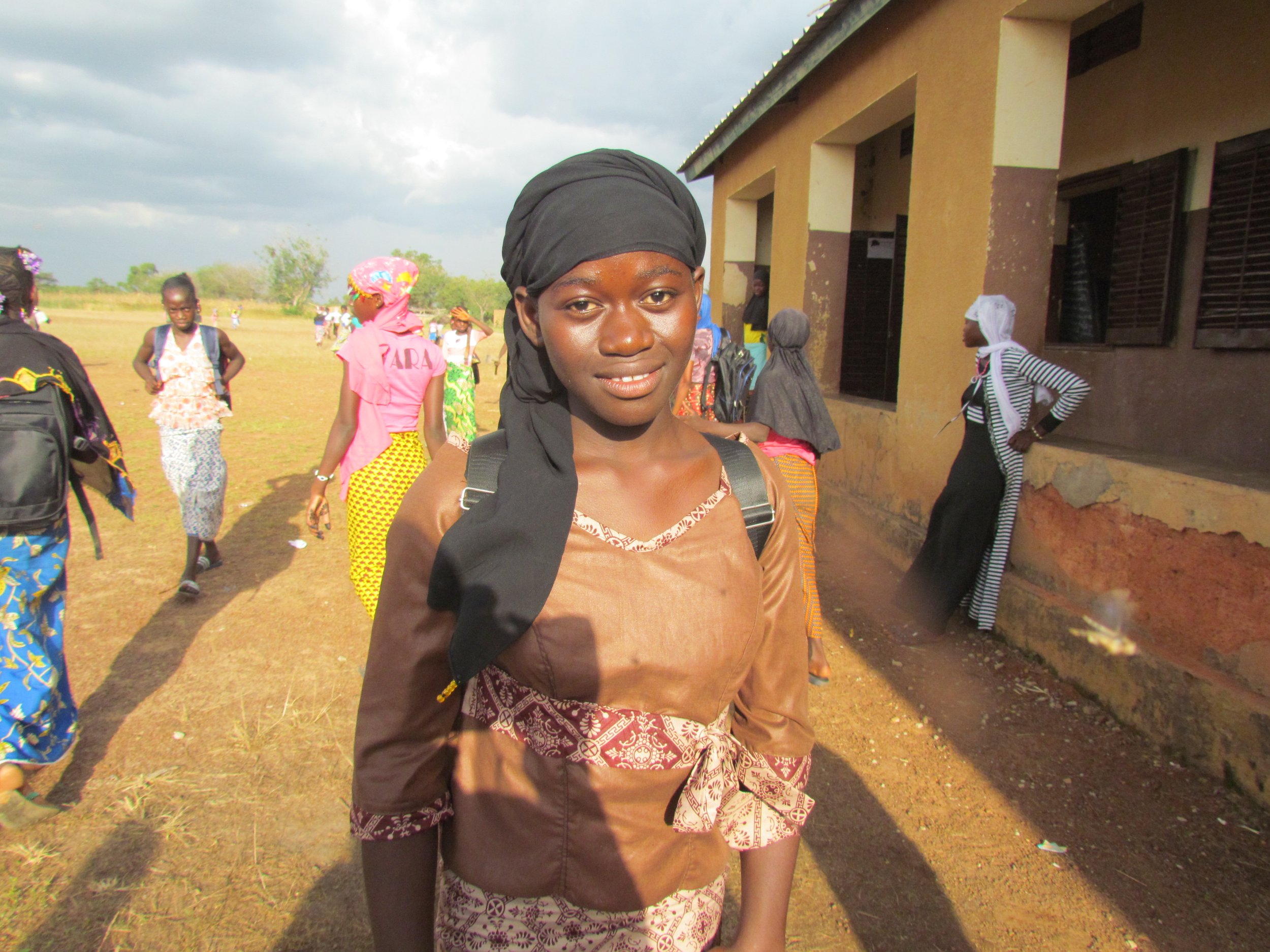
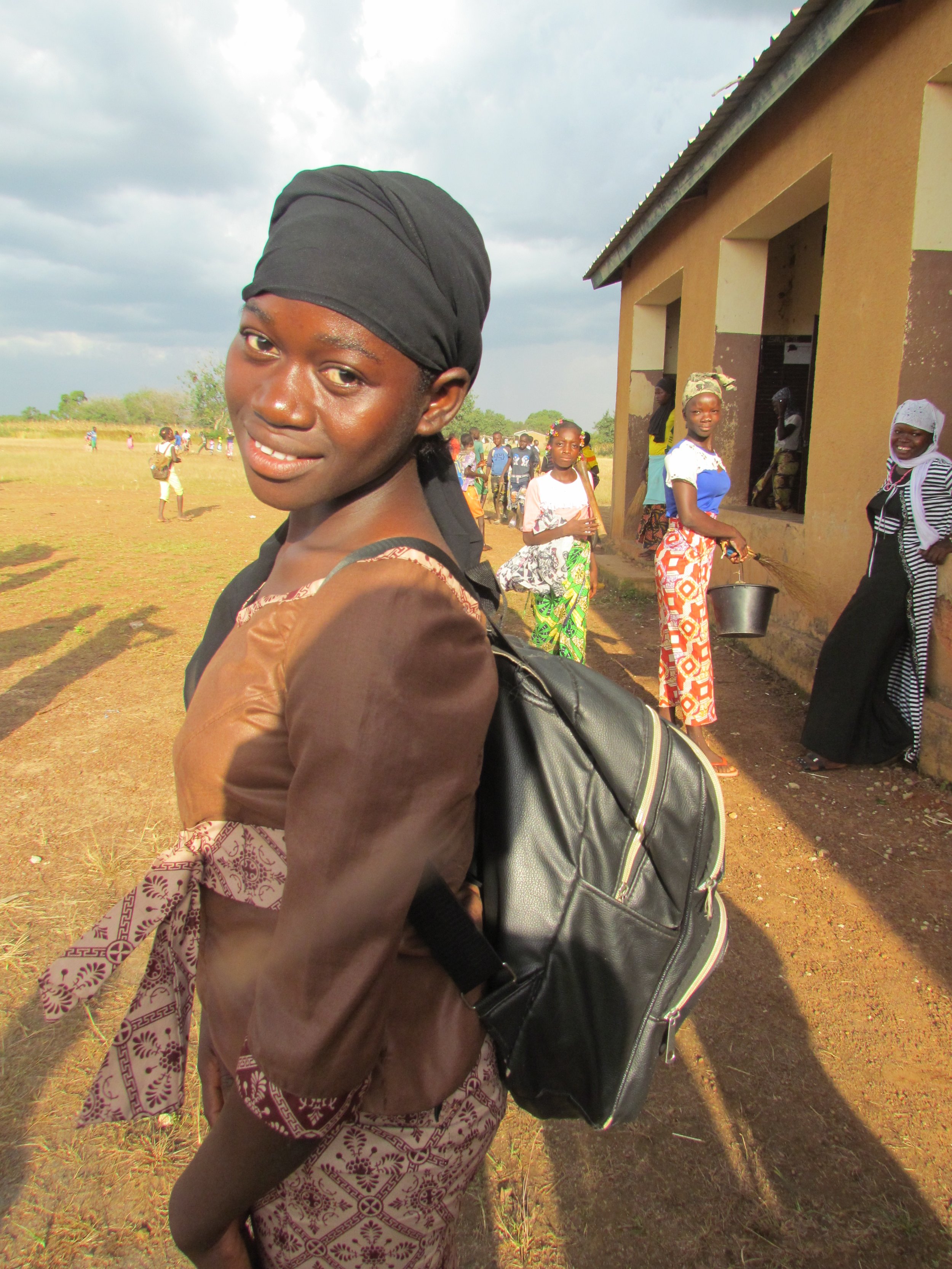
Sitan is a very dynamic, motivated and determined young girl. She is 16 years old and is in 9th grade at Frances W. Burton Middle School. She comes from a very large farming family. She wants to do everything she can to lift her parents out of poverty. She wants to succeed but not alone.
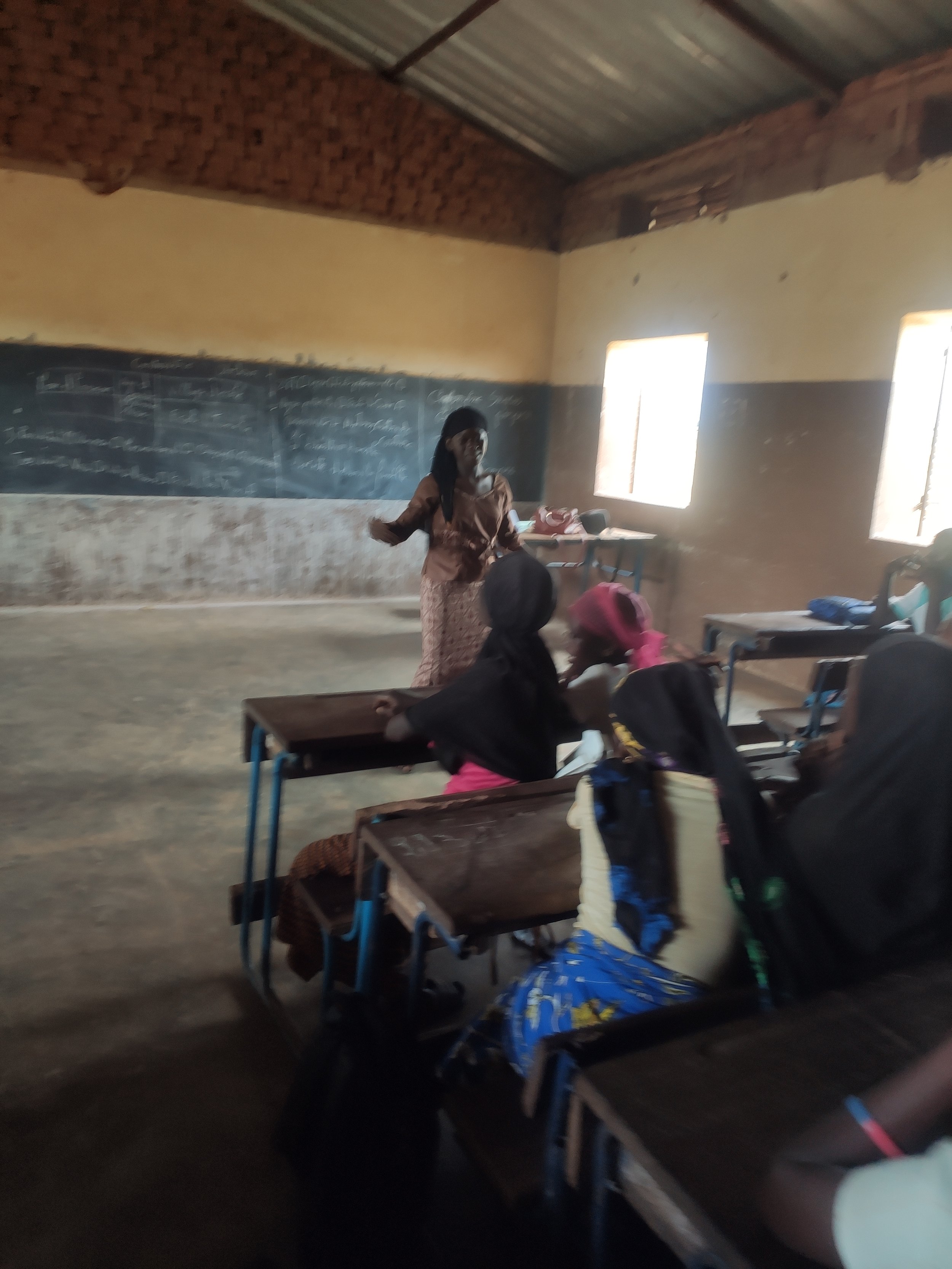
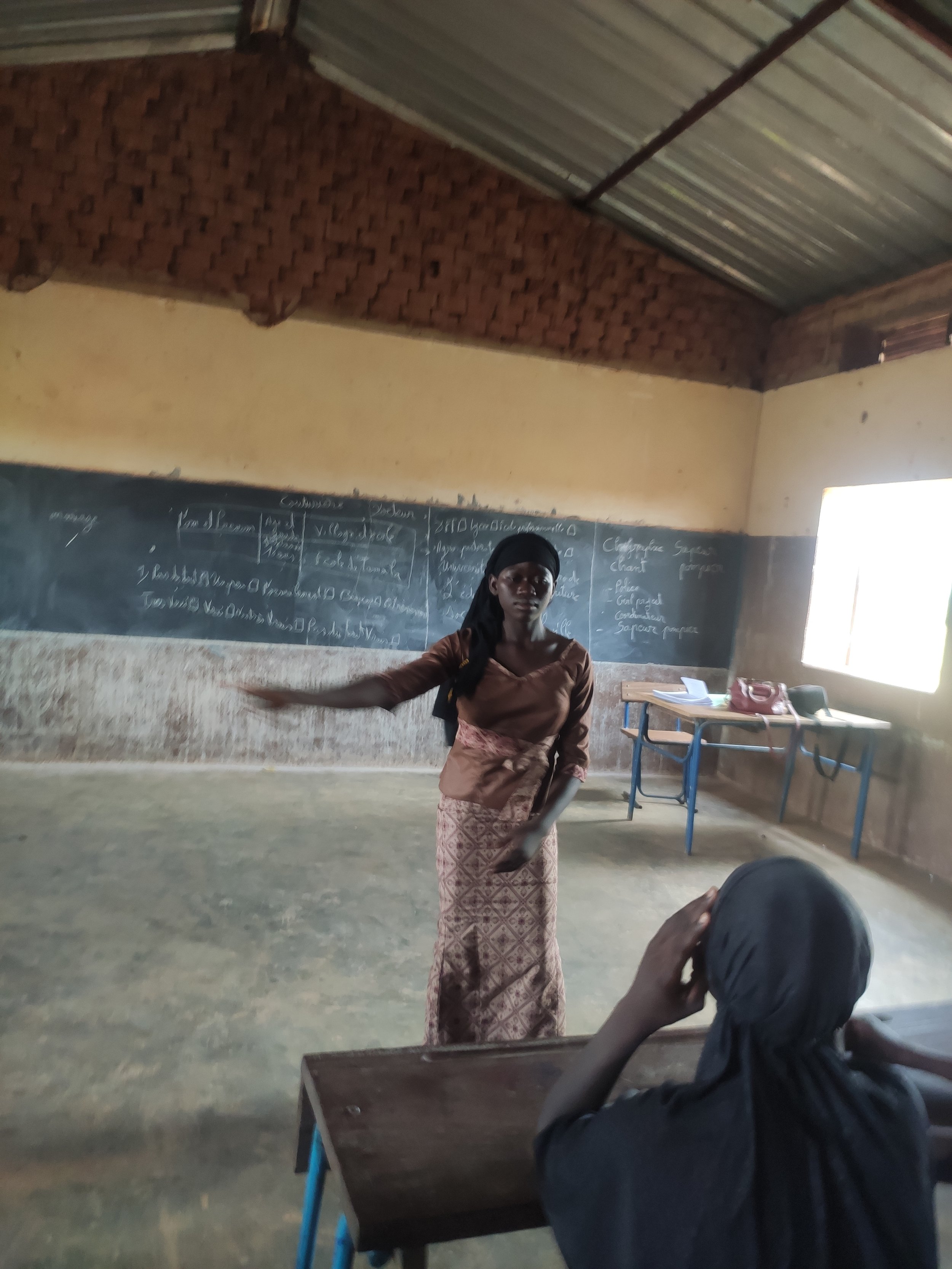
This is why during our visit of the month to Tamala, Sitan offered us to advise her comrades finally that they be motivated from the beginning of the year to fight again this year so that they succeed all together. She thinks some girls still need a little encouragement to succeed especially those who have just arrived newly in Grade 7. Let us listen to her advice:
Hello sisters. Did you know that today's girls are the future of tomorrow's women, which is why it is essential that they are educated and learn to enforce their rights? I want us to develop this beautiful village of Tamala, which is for us and for our ancestors. No one will come to build this village for us. The best weapon to develop our village is education -- especially for girls.”
Girls' education is the precursor to lasting change. An educated girl can take charge of her life. Sensitized to the importance of education, she ensures that her children have a quality education and thus fights in turn against discrimination against girls, such as forced marriage, early pregnancy, child labor, and dropping out of school.
A girl who does not go to school will have a harder time making her voice heard. She will not be able to participate actively in the decision-making of the society in which she lives. The non-enrollment of girls locks them into poverty. Moreover, this situation is likely to continue in the next generation because an out-of-school girl will not understand the value of giving her children a quality education.
Education has brought me a lot. It taught me how to write my name, to know my family's phone numbers. Education is important because educating a girl is educating a family, a community, a village and an entire nation. Education allows you to know good manners in society, to have a lot of knowledge and you can have a job that you want to do but if you are not educated you will have nothing in life.
I learned a lot of things from the Girls’ Project like the menstrual cycle and period because I had not yet had my period.. I had advice to succeed, and I knew the existence of some languages in the world that I did not know. So I ask you my sisters to listen well to Hindaty, because she is there to help us succeed.
After my studies, I want to be a great seamstress to have money, sew clothes for me, my husband and Hindaty too. I hope you have understood my advice and my dream. I beg your pardon if I have offended you. Thank you."
After Sitan's intervention with the younger girls, we noticed the positive influence of the girls. This is why we will never stop thanking all the people who support the Girls' Project because thanks to them girls are able to express themselves in front of others, to study, to be bold, to have a specific goal in life.
Mali Rising Alum, Zantigui, Imagines Giving Back
By Ousmane Coulibaly, Operations Coordinator
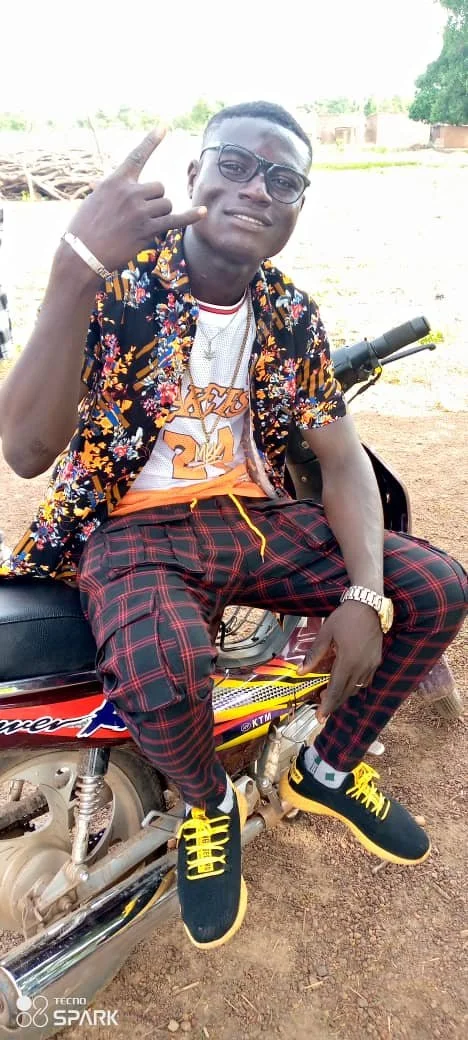
Mali Rising’s graduates leave 9th grade and scatter around the region. Although some stay in their home village, many move to a bigger town for high school or a vocation school or head to the city to find work. I recently tracked down one of our graduates who is living in Ouelessebougou, a big town that is home to a high school where he is continuing his education.
“My name is Zantigui Bagayoko. I am a former student of Mali Rising Foundation. I got my DEF [certification that he passed the national graduation exam] in 2015 from the middle school Cliff and Nita Bailey of Beneko,” he told me.
I asked Zantigui what he is doing currently and he responded, “Currently, I am pursuing my studies at the Lycée Public of Ouelessebougou and I am in the 12 grade and I focus on Social Sciences.”
We also discussed Zantigui’s plans for his future. He shared his big vision for his life, “I have a lot of aspirations and dreams in life. I would like to study and become a customs officer. I really like this job. I would like to success in life, because I would like to contribute to the development of my community. When I will get means, I would like to bring clean drinking water to our village, and build paved roads, schools, and health centers. I would also like to increase the number of teachers, because there is a lack of teachers in our school in the village.”
Zantigui’s vision for his future is clear and after talking with him I believe he will achieve his goals. I love how he plans to give back to his village as well — this is why education is so important to Mali’s future!
